
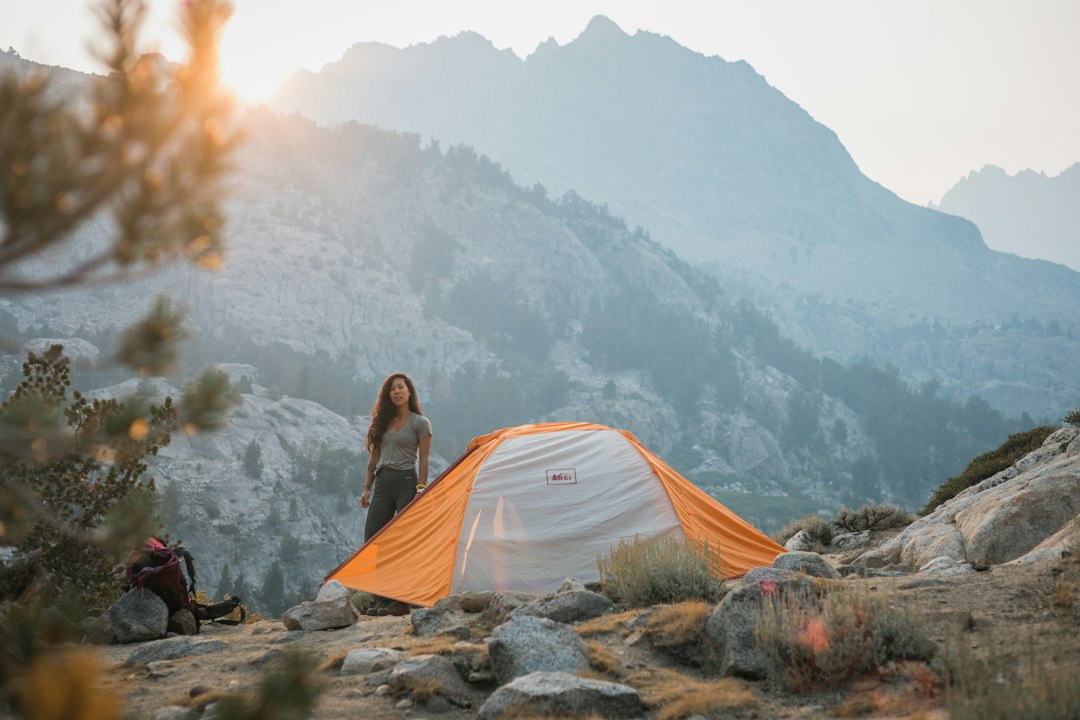
Packing for a camping trip can be a daunting task, especially when you want to ensure you have everything you need without overloading your backpack. The key to efficient packing lies in organization and prioritization. By following some essential tips, you can streamline the process and make your outdoor adventure more enjoyable.
Before you even think about packing, it’s crucial to select the right gear for your trip. Consider the type of camping you’ll be doing—will it be car camping or backpacking? Each requires a different approach to gear selection. For car camping, you can afford to bring larger items like a cooler and a tent, while backpacking necessitates lightweight, compact gear that won’t weigh you down.
Once you’ve determined the type of camping, make a checklist of essential items. This should include your tent, sleeping bag, cooking equipment, and clothing. Prioritize quality over quantity; investing in durable gear can save you from discomfort and potential mishaps in the wilderness. Remember, the right gear can make all the difference in your camping experience.
Organization is key when it comes to packing your camping gear. Start by grouping similar items together, such as cooking supplies, clothing, and sleeping gear. Use packing cubes or dry bags to keep these groups separate and easily accessible. This not only saves time when you’re setting up camp but also helps you keep track of your gear throughout the trip.
Additionally, consider the order in which you pack your items. Place heavier items at the bottom of your backpack and lighter items on top. This will help maintain balance and make carrying your pack more comfortable. Don’t forget to leave some space for items you may pick up along the way, such as firewood or souvenirs from your adventures.
Maximizing space in your backpack is essential for efficient packing. Take advantage of every nook and cranny by stuffing smaller items into your shoes or using the space inside your cooking pots. Roll your clothes instead of folding them; this not only saves space but also reduces wrinkles. You can also use compression bags to minimize the bulk of your sleeping bag and clothing.
Another effective strategy is to pack multi-use items. For example, a bandana can serve as a towel, a pot holder, or a sun shield. By choosing versatile gear, you can reduce the number of items you need to bring, making your pack lighter and easier to manage. Remember, every ounce counts when you’re out in the wild.
No camping trip is complete without a plan for unexpected situations. Always pack a small first aid kit, extra food, and a reliable source of light. Weather can change rapidly in the great outdoors, so be prepared with layers of clothing and waterproof gear. A good rule of thumb is to pack for the worst-case scenario while hoping for the best.
Additionally, familiarize yourself with the area you’ll be camping in. Knowing the local wildlife, weather patterns, and terrain can help you pack more effectively. For instance, if you’re camping in an area known for rain, prioritize waterproof gear and quick-dry clothing. Being prepared can turn a potential disaster into a minor inconvenience.
Before you head out, ensure you have your gear organized, utilize every space in your pack, and plan for unexpected situations. This checklist will help you stay focused and efficient as you prepare for your camping adventure. Remember, the goal is to enjoy the great outdoors without the stress of disorganization or overpacking.
By following these essential tips for packing your camping gear efficiently, you’ll be well on your way to a successful outdoor experience. Embrace the adventure, stay organized, and make the most of your time in nature!