
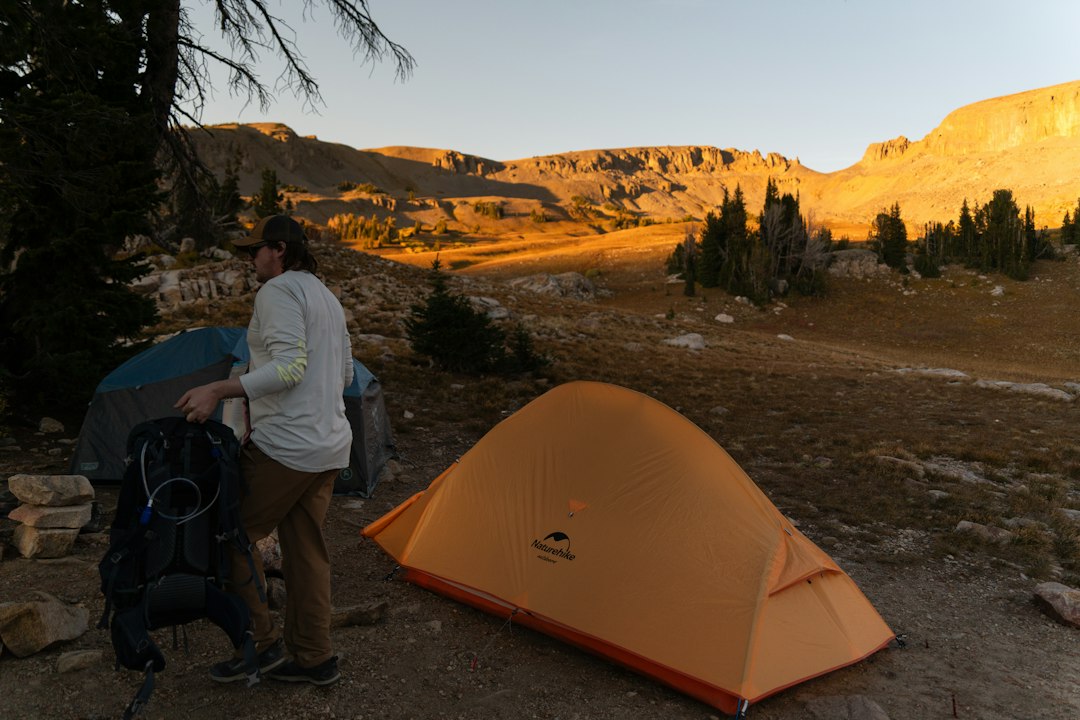
Choosing the right tent for your camping adventure is crucial for a comfortable and enjoyable experience in the great outdoors. With so many options available, it can be overwhelming to determine which tent best suits your needs. This guide will walk you through the essential factors to consider when selecting the perfect tent, ensuring you make an informed decision for your next camping trip.
The first step in choosing the perfect tent is to understand your camping style. Are you a solo backpacker, a family camper, or a festival-goer? Each type of camping requires different tent features. For instance, solo backpackers may prefer lightweight, compact tents, while families might need larger, more spacious options that can accommodate multiple people and gear.
Additionally, consider the environment in which you will be camping. Will you be in a warm, dry climate or a cold, wet one? This will influence the type of tent you choose, as some tents are designed specifically for certain weather conditions. Knowing your camping style and environment will help narrow down your options significantly.
Next, evaluate the size and capacity of the tent. Tent sizes are typically categorized by the number of people they can accommodate. However, it’s essential to consider not just the number of occupants but also the gear you’ll be bringing along. A tent rated for four people may feel cramped if you have large sleeping bags and equipment inside.
When selecting a tent, it’s wise to choose one that offers a bit more space than you think you’ll need. This extra room can make a significant difference in comfort, especially during inclement weather or when you’re spending extended periods inside the tent. Always check the dimensions of the tent and visualize how it will fit your group and gear.
Tents come with various features and materials that can enhance your camping experience. Pay attention to the tent’s fabric, as this affects durability and weather resistance. Common materials include polyester and nylon, with higher denier counts indicating stronger fabric. Additionally, look for tents with waterproof coatings and sealed seams to keep you dry during rain.
Other features to consider include the tent’s setup process, ventilation options, and storage pockets. Some tents are designed for quick and easy setup, which can be a lifesaver after a long day of hiking. Good ventilation is also crucial to prevent condensation buildup inside the tent, so look for models with mesh panels or multiple doors and windows.
Before making a purchase, it’s essential to research the brand’s reputation and read customer reviews. Established brands often have a track record of producing reliable and high-quality tents. Look for reviews that discuss the tent’s performance in real-world conditions, as this can provide valuable insights into its durability and functionality.
Online forums and camping communities can also be excellent resources for gathering opinions and recommendations. Engaging with fellow campers can help you discover lesser-known brands that offer exceptional products. Don’t hesitate to ask questions and seek advice from experienced campers to ensure you make a well-informed decision.
Step 1: Identify your camping style and environment to narrow down your tent options. Step 2: Determine the appropriate size and capacity based on the number of campers and gear. Step 3: Evaluate the tent’s features and materials for durability and comfort. Step 4: Research brand reputation and customer reviews to find a reliable tent.